
The Definitive Guide to Solar LED
The Definitive Guide to Solar LED Barricade Lamp Amber Blinker Lights for Traffic Safety
1/27/20263 min read
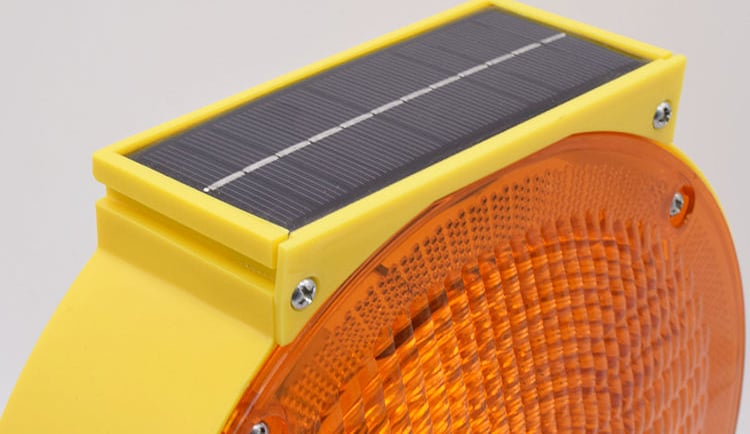
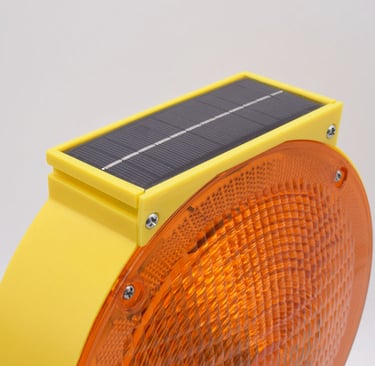
The Definitive Guide to Solar LED Barricade Lamp Amber Blinker Lights for Traffic Safety
Introduction
In an era where road safety and sustainable infrastructure go hand-in-hand, Solar LED Barricade Lamps — particularly amber blinker lights for traffic cones and warning applications — are becoming indispensable in construction zones, roadworks, parking facilities, and emergency response setups. These compact, solar-powered devices enhance visibility, improve traffic guidance, and deliver a low-maintenance safety solution without reliance on external power sources.
This guide provides a complete overview of what these devices are, why they matter, how to select them, and best practices for deployment.
What Are Solar LED Barricade Lamp Amber Blinker Lights?
Solar LED Barricade Lamps are battery-free, self-charging safety lights designed to mount on traffic cones, barricades, guardrails, and temporary barriers. These lamps typically emit bright amber LED flashing or steady illumination to warn motorists and pedestrians of hazards, lane deviations, work zones, or closed pathways — especially in low-light and nighttime conditions.
Solar power makes them highly sustainable. These units charge during daylight hours and automatically activate at dusk, eliminating wiring or power source constraints, and significantly reducing operational costs and maintenance efforts.
Key Features and Technical Benefits
1. Solar-Powered, Self-Contained Operation
Solar LED lamps use an integrated solar panel and rechargeable battery system — typically requiring only a few hours of daylight exposure to charge and then operating through the night. This design ensures trouble-free, off-grid performance and greatly reduces installation complexity.
2. High Brightness and Extended Visibility
Modern units feature high-brightness LEDs visible from hundreds of meters away. The amber color is selected for its high contrast and universal recognition as a warning signal in traffic environments.
3. Multiple Lighting Modes
Many amber blinker lights support different modes — such as steady burn, fast flash, and slow flash — to meet varying safety requirements and traffic control scenarios. These selectable modes enhance flexibility and effectiveness in different traffic conditions.
4. Universal Compatibility & Easy Installation
These lights mount easily on standard traffic cones, barrels, and delineators without specialized tools. Their lightweight design and rugged housing make deployment fast and repeatable for temporary or movable applications.
5. Weather Resistance & Durability
Constructed from durable materials like polycarbonate lenses and polypropylene cases, solar barricade lamps are designed to withstand rain, dust, and outdoor environmental exposure — frequently rated to IP65 or higher.
6. Long-Life LED and Low Maintenance
With LED lifespans exceeding 50,000 hours and minimal moving parts, these warning lights provide long-term reliability with virtually no maintenance, making them ideal for large traffic control programs.
Primary Applications
Solar LED amber blinker lights serve a wide range of use cases:
Road Construction and Maintenance
Installed atop cones and barriers around work zones, they ensure that motorists notice hazards early and reduce collision risks.
Lane Closures and Diversions
During road closures or detours, these lights help delineate safe passage and enhance directionality — especially in low-light conditions.
Event Parking and Crowd Control
In large venues or temporary parking setups, flashing amber lights support vehicle guidance and improve organization.
Emergency Response
In accident sites, breakdowns, or utility failures, rapid deployment of solar blinker lights improves scene safety without needing external power.
Selection Guide: How to Choose the Right Solar LED Barricade Lamp
To maximize performance and ROI, consider the following when choosing a solar amber blinker:
1. Visibility Distance:
Determine how far away the light needs to be seen. For highway or high-speed roads, choose units with higher lumens and larger lens profiles.
2. Battery Capacity & Solar Panel Efficiency:
Higher capacity batteries and efficient solar panels ensure longer runtime and better performance during low-sunlight days.
3. Housing Durability:
Select products with proven weatherproof ratings (IP65 or above) to ensure all-season outdoor reliability.
4. Flash Modes and Adjustability:
The ability to switch between lighting modes allows you to optimize safety messaging based on context and regulations.
Installation & Best Practices
Proper Placement:
Install lamps at regular intervals along barricaded zones and at key decision points (e.g., ahead of merging lanes or pedestrian crossing areas).
Sunlight Exposure:
Ensure solar panels have unobstructed exposure to sunlight during the day for optimal charging.
Routine Inspection:
Check the solar panels and LED units periodically for debris, dirt, or damage, and clean them to maximize performance.
Regulatory Compliance:
Align your deployment with local traffic control standards and MUTCD guidelines when operating in regulated roadways.
Conclusion
Solar LED Barricade Lamp Amber Blinker Lights are a modern, sustainable, and highly effective solution for enhancing traffic safety in a variety of temporary and semi-permanent situations. Their solar-powered operation, high visibility, low maintenance, and flexible deployment make them essential tools for traffic management, construction safety, event control, and emergency response.
Whether you are a traffic safety professional, a construction site manager, or responsible for event logistics, integrating solar LED barricade lamps into your safety strategy can significantly improve visibility, compliance, and overall situational awareness on site.
Visual References
To support understanding and improve engagement, consider adding high-quality images such as:
Diagram showing how a solar LED barricade lamp mounts on a traffic cone
Close-up of an amber LED blinker light in day and night operation
Infographic comparing flash modes, visibility ranges, and installation positions